
Resource
Initial NI 43-101 Mineral Resource Estimate - June 30, 2024
Area
The project consists of a single mining license covering an area of 115 km²
Deposit Type
~2.65-2.7Ga Ortho-Magmatic Intrusive Sill within Central Zone of the Limpopo Mobile Belt (Amphibolite-Granulite Facies)
Accessibility
Rail and power, airport, serviced by Selebi Phikwe (Pop. 52,000)
Services List
Premium Graphite Ore from Balochistan, Pakistan
TM Resources is a leading supplier of high-quality Graphite ore extracted from the mineral-rich regions of Balochistan, Pakistan. With our professional mining operations, comprehensive infrastructure, and commitment to quality, we deliver consistent supplies of Graphite ore that meet the demanding specifications of industrial applications worldwide.
Understanding Graphite - A Critical Industrial Material
Graphite is a naturally occurring form of crystalline carbon that has become essential to modern technology and industry. With its unique combination of electrical conductivity, thermal properties, lubricity, and chemical stability, graphite plays a fundamental role in everything from lithium-ion batteries to steel production. As the world transitions to electric vehicles and renewable energy storage, graphite has emerged as one of the most critical materials for the 21st century.
Physical and Chemical Properties
Graphite exhibits remarkable physical and chemical properties that make it invaluable across industries. It is one of the softest minerals (used in pencils) yet also one of the most refractory materials, withstanding temperatures exceeding 3,000°C. Graphite conducts electricity like a metal but is chemically inert like a ceramic. Its layered crystalline structure gives it excellent lubricating properties, while its high thermal conductivity makes it ideal for heat management applications.
Why Graphite Matters
The global shift toward electric vehicles has catapulted graphite into the spotlight as a critical battery material. Each electric vehicle battery requires 50-100 kg of graphite – more than any other mineral. Beyond batteries, graphite is essential for steel production, advanced electronics, aerospace applications, and nuclear energy. Many countries now classify graphite as a strategic critical mineral due to concentrated supply chains and surging demand driven by clean energy transitions.
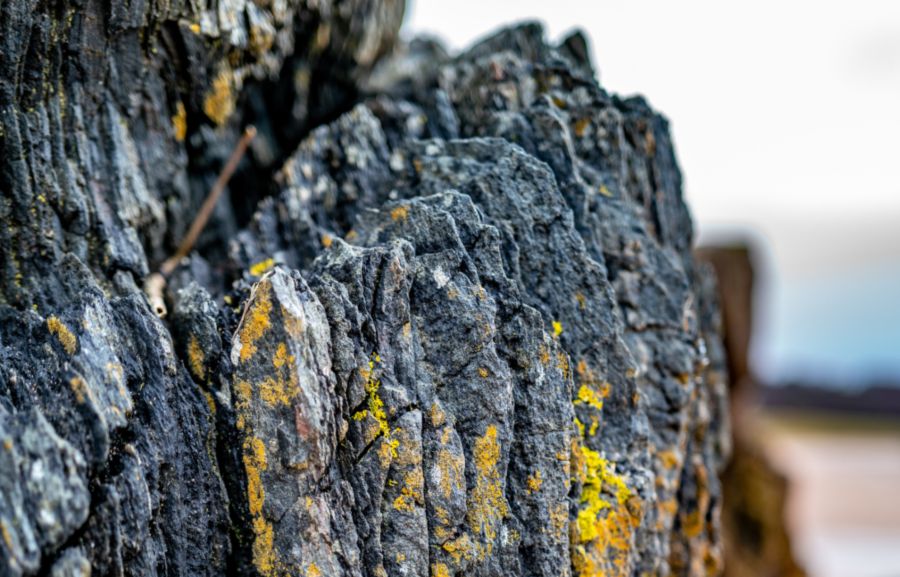
Industrial Applications of Graphite
Lithium-Ion Batteries and Energy Storage
The largest and fastest-growing use of graphite is in lithium-ion battery anodes:
- Electric Vehicles: Each EV battery contains 50-100 kg of graphite, making it the largest component by weight
- Grid Energy Storage: Large-scale batteries for renewable energy storage require massive graphite quantities
- Consumer Electronics: Smartphones, laptops, tablets, and power tools all use graphite-based batteries
- Power Banks: Portable charging devices and backup power systems
Battery-grade graphite requires high purity (>99.95% carbon) and specific particle sizes and morphologies. The exponential growth in electric vehicle production is driving unprecedented demand for battery-grade graphite.
Refractories and Steel Production
Graphite’s extreme temperature resistance makes it essential for steel and metallurgical applications:
- Refractory Bricks: Lining for blast furnaces, electric arc furnaces, and ladles in steel production
- Crucibles: High-temperature vessels for melting metals and alloys
- Foundry Facings: Coatings for molds in metal casting operations
- Continuous Casting: Graphite components in continuous steel casting processes
The steel industry remains one of the largest consumers of natural graphite, with global steel production requiring millions of tons of graphite-based refractories annually.
Lubricants and Friction Materials
Graphite’s layered structure provides excellent dry lubrication:
- High-Temperature Lubricants: Applications where oil-based lubricants would break down
- Brake Linings: Automotive and industrial brake pads and clutches
- Metal Forming: Release agents for forging, stamping, and extrusion operations
- Bearings: Self-lubricating bearings and bushings for extreme environments
Electronics and Semiconductors
Graphite’s electrical conductivity supports advanced electronics:
- Thermal Management: Heat sinks and thermal interface materials for electronics cooling
- Electrodes: EDM (electrical discharge machining) electrodes for precision manufacturing
- Conductive Coatings: EMI/RFI shielding and anti-static applications
- Graphene Production: Natural graphite as feedstock for advanced graphene materials
Nuclear Energy
Graphite serves critical functions in nuclear reactors:
- Neutron Moderators: Slowing neutrons in nuclear fission reactions
- Reflectors: Directing neutrons back into reactor cores
- Structural Materials: High-purity graphite for reactor components
- Pebble Bed Reactors: Next-generation reactor designs using graphite-coated fuel spheres
Fuel Cells and Hydrogen Economy
Graphite enables clean energy technologies:
- Bipolar Plates: Key components in hydrogen fuel cells for vehicles and stationary power
- Gas Diffusion Layers: Graphite-based materials for fuel cell electrodes
- Electrolyzers: Components for hydrogen production via water electrolysis
Expandable Graphite and Fire Protection
Expandable graphite provides advanced fire protection:
- Intumescent Coatings: Fire-resistant coatings that expand when heated
- Flame Retardants: Fire protection for plastics, textiles, and construction materials
- Fire Seals: Expanding gaskets and seals for fire-rated doors and penetrations
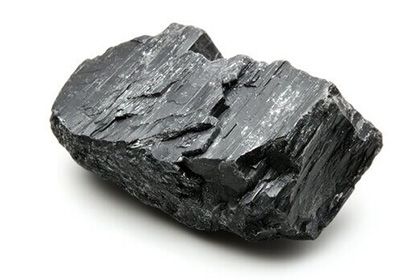
Graphite Mining in Balochistan
Balochistan’s geological diversity includes graphite deposits with significant commercial potential. The region’s graphite resources are increasingly important as global demand for battery materials and refractory graphite continues to grow.
Our Graphite Mining Locations
TM Resources operates graphite mining sites in strategic locations across Balochistan where geological surveys have confirmed quality ore deposits. Our mining areas are selected based on:
- Ore grade and carbon content assessments
- Accessibility and infrastructure potential
- Geological stability and safety considerations
- Environmental impact minimization
- Long-term resource viability
Extraction Methods
We employ mining techniques appropriate to the geological characteristics of each deposit:
Surface Mining: Where deposits occur near the surface, we use open-pit mining methods that allow efficient extraction with proper environmental management.
Underground Mining: For deeper deposits, we utilize underground mining techniques, implementing proper ventilation, support systems, and safety protocols.
Selective Mining: Our operations focus on selective extraction, targeting graphite-bearing zones to maximize grade and preserve flake size distribution while minimizing waste material.
Processing and Grading
After extraction, graphite ore undergoes initial processing at our mining sites:
Crushing and Screening: Ore is carefully crushed to liberate graphite flakes without excessive degradation, then screened to separate different size fractions
Flotation Beneficiation: Froth flotation processes concentrate graphite and remove gangue minerals
Quality Control: Regular sampling and analysis ensure consistency in carbon content, flake size distribution, and impurity levels
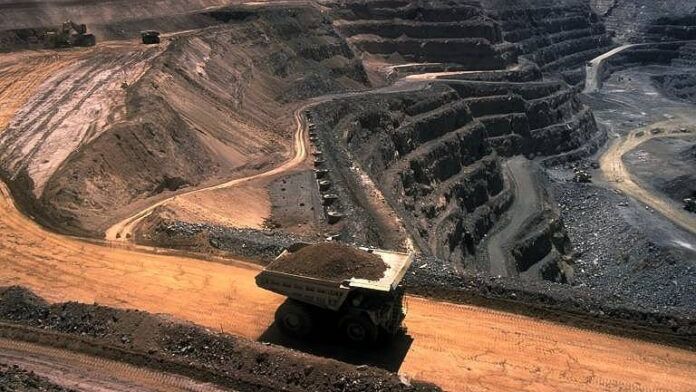
Our Graphite Supply Process
Step 1: Requirement Assessment
We begin by understanding your specific needs:
- Required graphite grades, carbon content, and flake size specifications
- Volume requirements (spot purchases or long-term contracts)
- Delivery schedules and logistics preferences
- End-use applications and processing capabilities
Step 2: Sample Provision
For new clients or specific applications, we can provide representative samples of our graphite products for testing and evaluation in your processing facility or laboratory.
Step 3: Agreement and Contracting
Once specifications are confirmed, we establish clear agreements covering:
- Graphite specifications and tolerances
- Pricing structures (spot or contract pricing)
- Delivery terms and schedules
- Quality assurance procedures
- Payment terms
Step 4: Extraction and Processing
Our mining operations extract and process graphite ore according to your specifications, with continuous quality monitoring throughout the process.
Step 5: Delivery and Logistics
We coordinate transportation from our processing facilities to your facility or designated location:
Domestic Delivery: Road transport to locations throughout Pakistan
Export Shipments: Coordination with port facilities for international delivery
Documentation: Complete documentation for customs, quality certificates, and regulatory compliance
Step 6: Ongoing Support
Our relationship doesn’t end with delivery. We maintain communication with clients to ensure satisfaction and address any technical or logistical needs.
Frequently Asked Questions
What carbon content and flake sizes can TM Resources supply?
We supply various graphite concentrates typically ranging from 85% to 95%+ carbon content, with flake size distributions from fine to large flake depending on deposit characteristics and processing. Contact us to discuss your specific requirements.
Can you provide battery-grade graphite?
We can supply high-purity graphite concentrates suitable as feedstock for further processing into battery-grade spherical graphite. Final battery-grade processing typically requires specialized purification and spheronization facilities.
What are the minimum order quantities
Minimum quantities depend on delivery method and location. Contact us to discuss your volume needs.
How do you ensure ore quality consistency?
We implement regular sampling and laboratory analysis throughout our mining and processing operations, with quality control at every stage including carbon content, flake size distribution, and impurity levels.
Can you handle export shipments
We supply various ore grades based on our deposits and processing capabilities. Contact us to discuss your specific grade requirements.
What payment terms do you offer?
Payment terms vary based on order size, delivery terms, and client relationship. We offer flexible arrangements for qualified buyers.